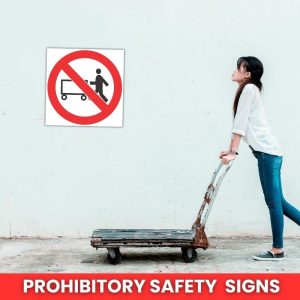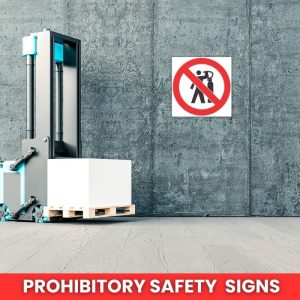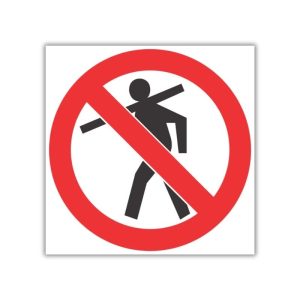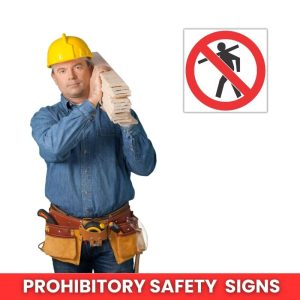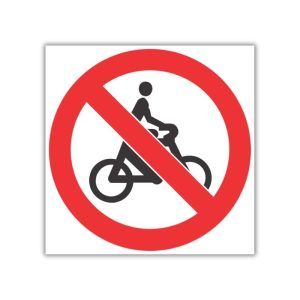

No Wearing of Loose Clothing Ties Jewellery Safety Sign

From: R15.75 inc. VAT

Add to Cart
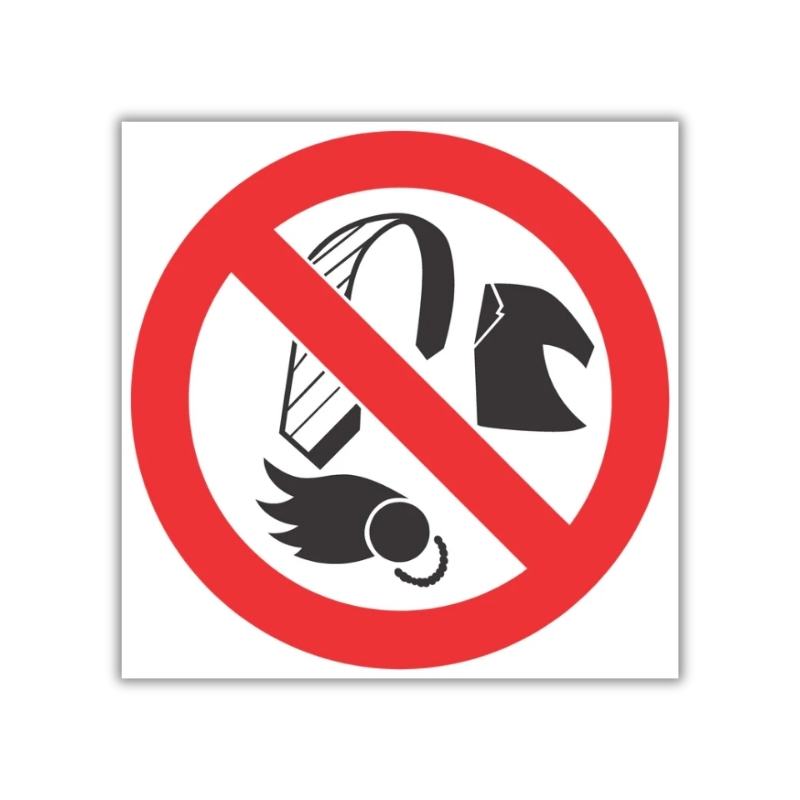
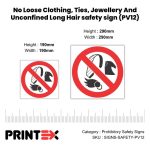
No Loose Clothing, Ties, Jewellery And Unconfined Long Hair safety sign (PV12)
No Wearing of Loose Clothing Ties Jewellery Safety Sign
From: R15.75 inc. VAT
  • *Sizes

    *Material

    Reset options
  • ¹Estimate above applies to in-stock safety signs only
    ¹Out of Stock: Production time - 5 - 7 Working Day(s)

Protect your workplace, enforce safety protocols, and stay compliant with SABS-approved No Loose Clothing Ties Jewellery And Unconfined Long Hair sign (PV12). Order today for reliable, high-quality signage solutions.

  • The Wearing of Loose Clothing, Ties, Jewellery or Unconfined Hair is Prohibited safety sign
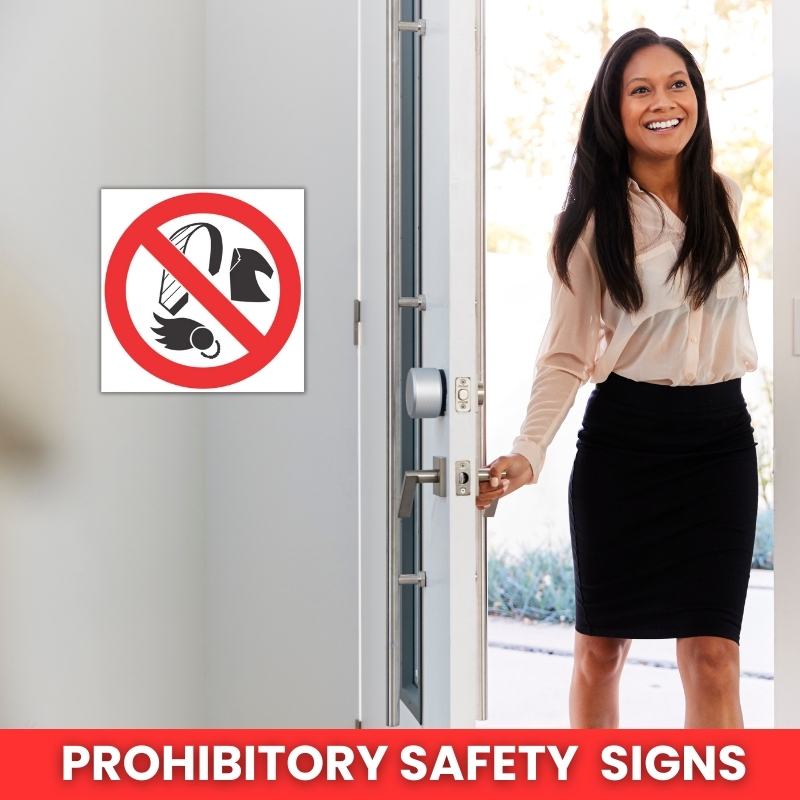
  • This sign should be placed where there are any machines with cogs or rotating parts that could grip the clothing, hair, ties or jewellery.

📢 HURRY UP ! Last Order Date is 10 December 2025

SABS Approved Prohibitory Safety Signs – Enforce Safety Rules & Legal Compliance

Ensure workplace safety and regulatory compliance with SABS-approved No Loose Clothing Ties Jewellery And Unconfined Long Hair sign in South Africa. These signs play a critical role in preventing dangerous actions, restricting unauthorized access, and maintaining order in workplaces, factories, construction sites, and public areas. Designed to meet SANS 1186-1 and OHSA safety regulations, our prohibitory signs use bold red circles with a diagonal line to indicate restricted actions clearly.

Key Features of Our SABS Approved Prohibitory Safety Signs

  • SABS & OHSA Compliant – Meets South African safety regulations for legal workplace compliance
  • High-Visibility Designs – Bold red and white graphics for instant recognition and clear communication
  • Durable & Weather-Resistant Materials – Made from Chromadek steel, ABS plastic, aluminium, and reflective options for indoor and outdoor use
  • Long-Lasting Print Quality – UV-resistant and waterproof for extended durability in harsh conditions
  • Easy Installation – Available with pre-drilled holes or adhesive backing for quick mounting on walls, fences, or doors

Common Types of Prohibitory Safety Signs

  • No Smoking Signs – Ensure compliance with smoke-free regulations
  • No Entry & Restricted Area Signs – Prevent unauthorized access to high-risk zones
  • No Open Flames & Fire Hazard Signs – Reduce fire risks in flammable environments
  • No Cell Phones & Electronic Devices Signs – Enforce safety in hazardous areas like fuel stations and hospitals
  • No Parking & Traffic Control Signs – Maintain order and prevent obstructions in restricted areas
Additional information

Sizes

190x190mm, 290x290mm

Material

ABS Plastic, Chromadek Steel

Reviews

There are no reviews yet.

Be the first to review “No Wearing of Loose Clothing Ties Jewellery Safety Sign”

This site uses Akismet to reduce spam. Learn how your comment data is processed.

Safety Signs FAQ

Are safety signs legally required in South African workplaces?

Yes, safety signs are mandatory under the Occupational Health and Safety Act (OHSA) and SANS (South African National Standards). Businesses must display relevant safety signs to ensure compliance, prevent accidents, and protect employees and visitors.

Can I customize safety signs to include my company logo?

Yes! We offer custom printed safety signs where you can add your company logo, colors, and custom messages while still ensuring compliance with South African safety regulations.

How can I make my safety signs better for visibility at night?

Yes, we offer reflective safety signs and Photoluminescent signs that enhance visibility in low-light conditions, ideal for construction sites, road signs, and emergency exits.

Do safety signs need to be bilingual in South Africa?

While not legally required, it is recommended to have signs in both English and a local language (e.g., Zulu, Afrikaans, Xhosa) to improve understanding in diverse workplaces.

How often should safety signs be replaced?

Signs should be replaced when they become damaged, faded, or outdated. Businesses should regularly inspect signage to ensure clarity and compliance with updated safety regulations.