
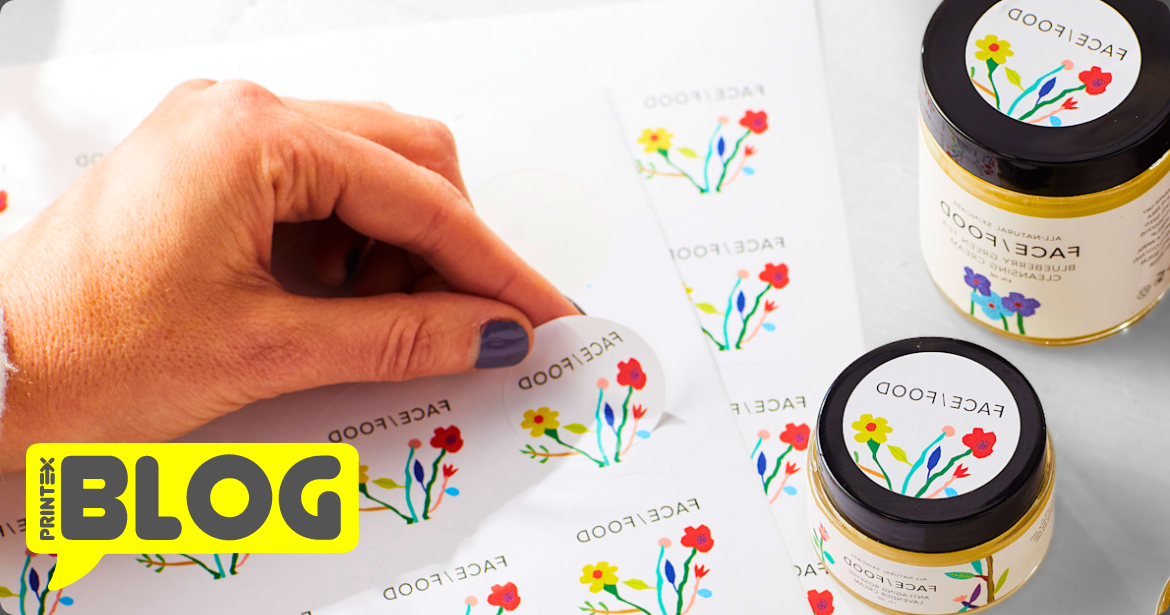
How to Boost Your Brand and Sales
In the fast-paced world of retail, product labels are often overlooked. Yet, they are a powerful marketing tool that can significantly impact consumer behavior and drive sales. Effective product labeling can make your product stand out on crowded shelves, convey your brand’s message, and build customer loyalty. In this article, we will explore how you can leverage product labels to enhance your marketing strategy.
The Importance of Product Labels in Marketing
Product labels serve as the first point of contact between your product and potential customers. They provide essential information and help in making a strong first impression. Here’s why product labels are crucial for marketing:
- Brand Identity: Labels are a direct reflection of your brand. They convey your brand’s personality, values, and quality. A well-designed label with your logo, brand colors, and unique elements helps in creating a cohesive brand identity.
- Consumer Information: Labels provide critical information about the product, such as ingredients, usage instructions, and expiration dates. Transparent and informative labels build trust and credibility with consumers.
- Legal Compliance: Proper product stickers ensures that your product complies with industry regulations and standards, preventing legal issues and enhancing consumer trust.
- Shelf Appeal: An attractive label can catch the eye of a shopper, making them more likely to pick up your product. Visual appeal is a key factor in driving impulse purchases.
- Marketing Messages: Labels can be used to communicate special offers, new features, or benefits of the product. Highlighting unique selling points (USPs) on the label can persuade consumers to choose your product over competitors.
Key Elements of Effective product stickers
Creating an effective product label involves a blend of creativity and strategy. Here are some key elements to consider:
1. Design and Aesthetics
The visual design of your label should be consistent with your brand’s overall aesthetic. Use colors, fonts, and images that align with your brand identity. Ensure the design is clean, attractive, and easy to read. High-quality graphics and a professional finish can make a significant difference.
2. Clear and Concise product stickers Information
Consumers appreciate clear and straightforward information. Avoid clutter and focus on the most important details. Use bullet points, icons, or infographics to present information in an easily digestible format.
3. Call-to-Action (CTA)
Incorporate a call-to-action on your label to encourage consumers to take the next step. This could be a simple message like “Try Me!”, “Limited Edition”, or “Now with Extra Benefits”. A compelling CTA can drive consumer engagement and boost sales.
4. Sustainability Messages
With growing consumer awareness about environmental issues, highlighting sustainability on your label can enhance your brand’s appeal. Use eco-friendly materials for your labels and clearly communicate any green initiatives or certifications.
5. Legal and Safety Information
Ensure that all necessary legal and safety information is prominently displayed. This includes ingredients, allergens, usage instructions, and any warnings. Compliance with labeling regulations is essential to avoid legal complications and build consumer trust.
Innovative Trends in Product Labeling
As technology and consumer preferences evolve, so do product labeling trends. Here are some innovative trends to consider:
1. Smart product stickers
Smart labels, such as QR codes or NFC tags, provide interactive experiences for consumers. By scanning a QR code, customers can access detailed product information, promotional offers, or instructional videos.
2. Personalization
Personalized labels can create a unique customer experience. Whether it’s adding the customer’s name or a custom message, personalization can make your product feel special and exclusive.
3. Minimalist Designs
Minimalist designs are gaining popularity for their clean and elegant look. Simplifying your label design can make it more visually appealing and easier for consumers to find key information.
4. Transparent Labels
Transparent labels create a premium look and allow consumers to see the product inside. This is especially effective for food and beverage products, where the appearance of the product can influence purchasing decisions.
Conclusion
Product labels are more than just tags on your merchandise; they are a strategic marketing tool that can significantly influence consumer behavior. By investing in well-designed, informative, and appealing labels, you can enhance your brand identity, comply with regulations, and ultimately drive sales. Keep up with the latest labeling trends and continually refine your label strategy to stay ahead of the competition and connect with your customers on a deeper level.
Remember, the next time you’re designing a product label, think of it as a silent salesperson working tirelessly to promote your product. Make sure it speaks volumes about your brand and entices customers to choose your product over others.